
Nesting sites of wild bee species in Switzerland (as of 2025)
Nesting sites are essential for the survival of wild bees and, together with pollen sources and nesting materials, form the material basis for their survival. Creating suitable structures is just as important as planting suitable pollen sources.
Special Substrates
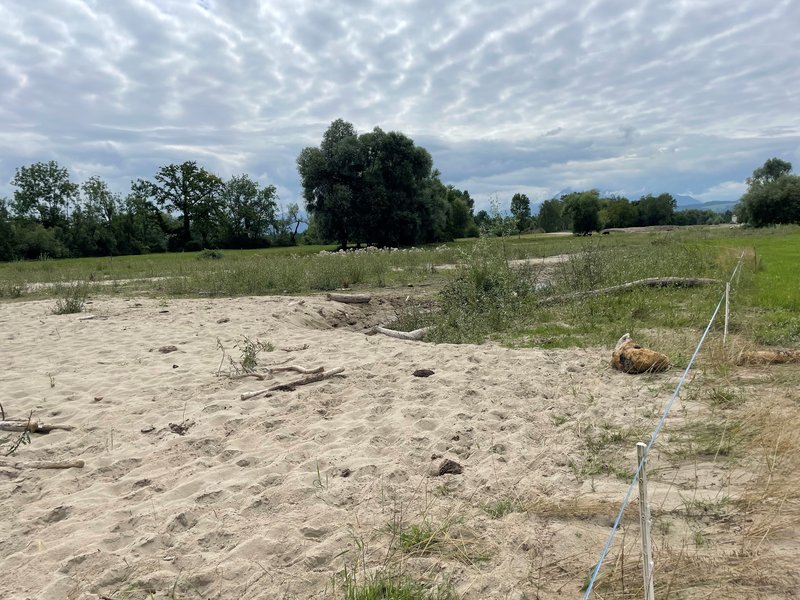
Sand
160 species nest in sand or sandy soil, 32 of which are specialised in this nesting site. 62 species can also nest in loess, loam or silt. 71 species also require sparsely vegetated areas of ground. 12 species additionally require break-off edges, and 2 species each require embankments or fine sandy soil.
Measures/promotion: The first priority is to keep existing sandy soils open in dry areas. If necessary, add sandy substrates with a more or less high clay or silt content to dry and sunny areas.
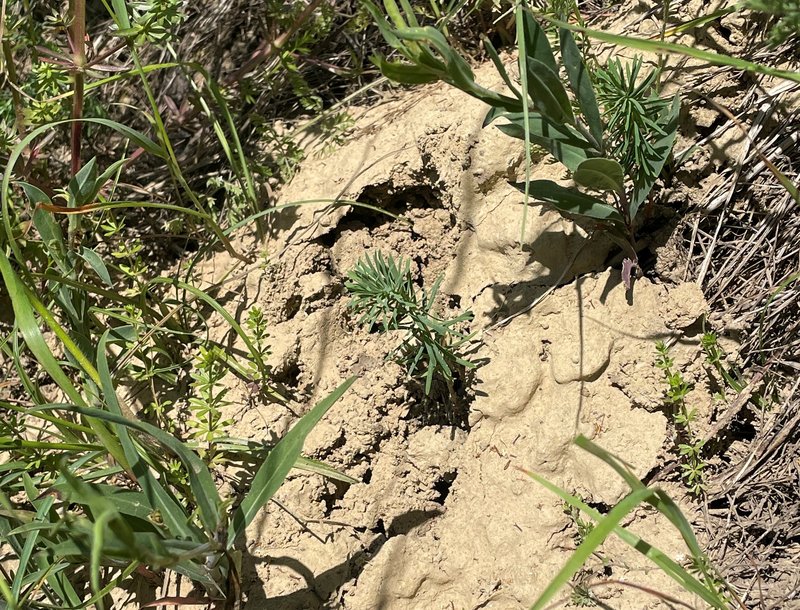
Loess
84 species nest in loess or loess-rich soil, including 5 specialists. 39 species can also nest in sand or clay. 28 species additionally require sparsely vegetated areas of ground.
Planting/promotion: The first priority is to keep existing loess soils open in dry areas. If necessary, add loess-rich substrates to dry, sunny areas.
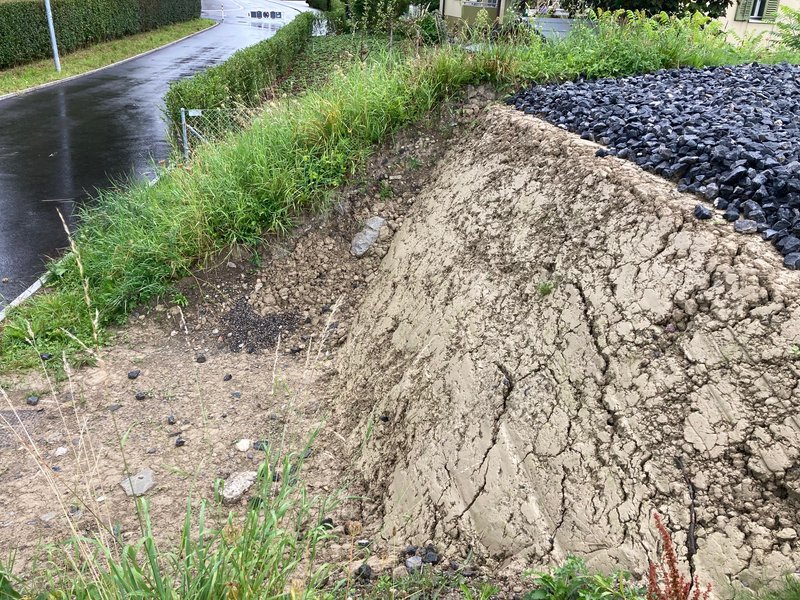
Loam
24 species nest in loam or loamy soil, 19 of which can also nest in sand or loess. Four species also require sparsely vegetated areas of ground.
Planting/promotion: Keep existing loamy soils in dry areas open. If necessary, add loamy substrates to dry, sunny areas.
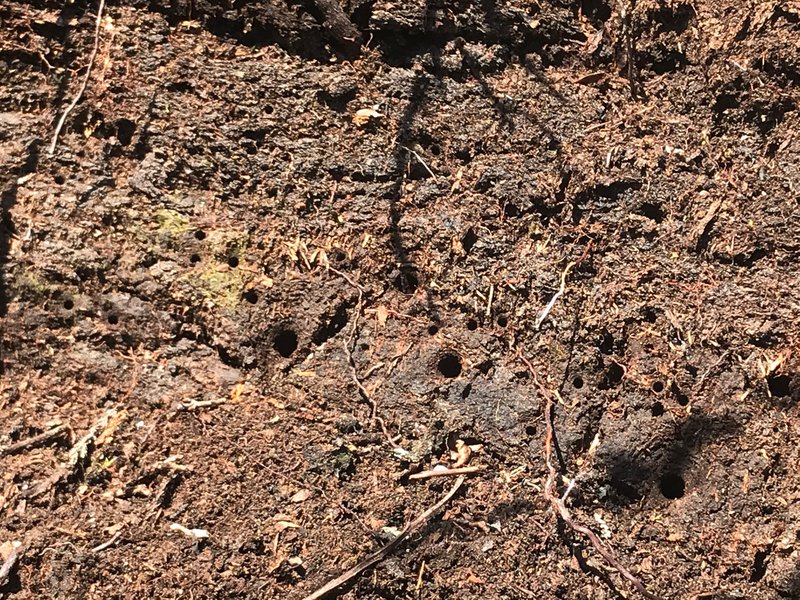
Loam
Only one species specialises in nesting in peat: Lasioglossum fratellum.
Planting/promotion: Create vegetation-free areas on peat soils in dry and sunny locations – e.g. by clearing scrub or scraping away parts of the surface.
Special Structures of the Substrates
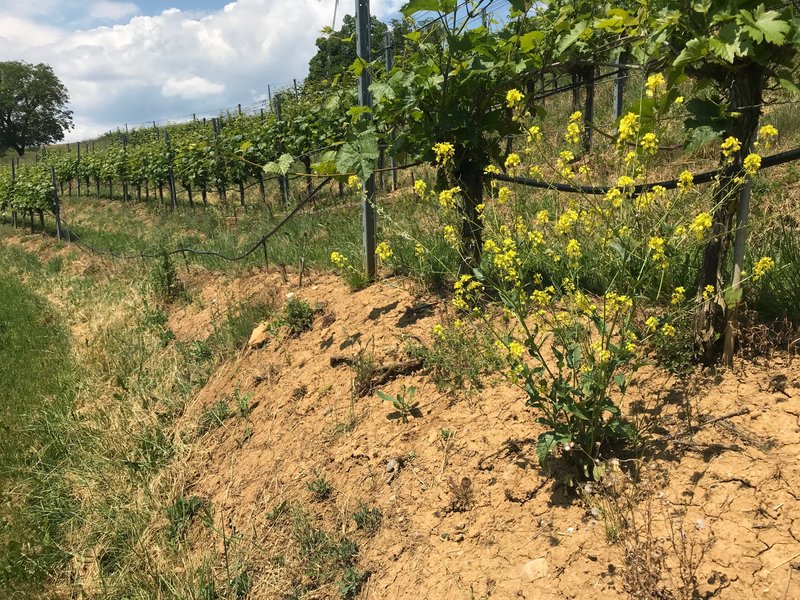
Embankments
18 species nest in embankments, most of which also require sparsely vegetated areas of ground.
Creation/promotion: Keep existing embankments sunny and low in vegetation by keeping back woody plants, mowing and scraping parts of the area. When adapting terrain, redesign height differences into embankments as far as possible and do not plant them with shrubs, or at least not completely.
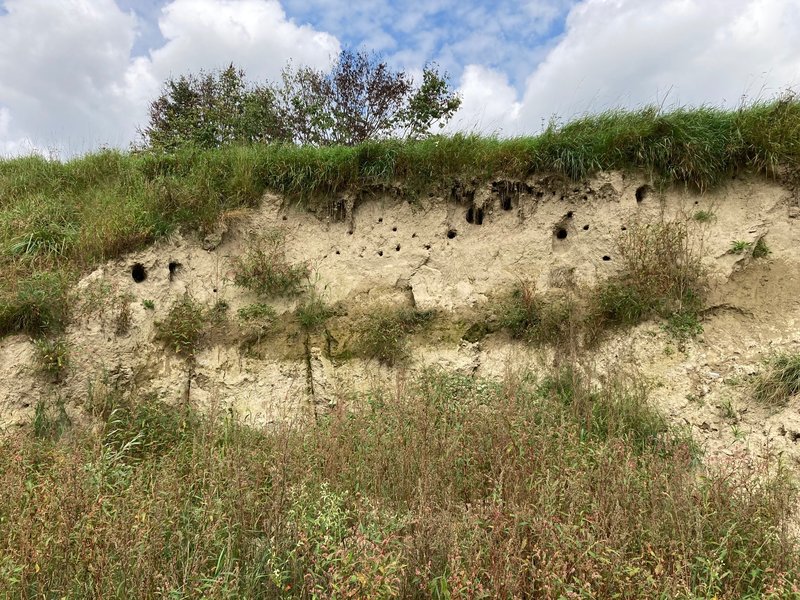
Steep Walls, Cliff Edges
42 species nest in steep walls and cliff edges, 20 of which also require sandy, loess, loamy or silty substrate. Around 20 species from this group also nest in plant stems, pith stems or embankments.
Creation/promotion: Maintain existing steep walls and path edges and keep them open. Create new break-off edges on parts of sunny and dry embankments.
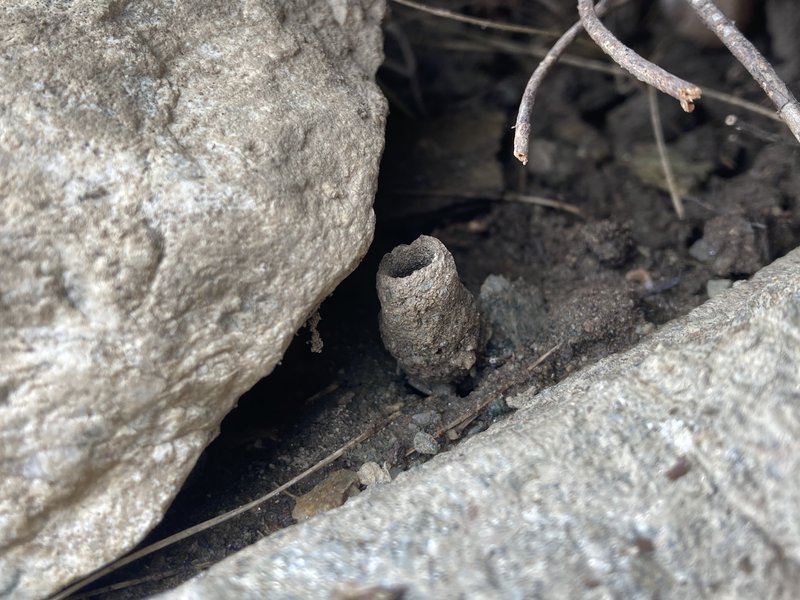
Rock Crevices, Cracks in Walls
31 species nest in rock crevices or in dry stone walls without mortar, but none of these species is exclusively dependent on this nesting site. All species in this group also nest optionally in demolition edges, small mammal nests, under stones, in plant stems or in beetle tunnels in dead wood.
Creation/promotion: Preserve and keep open sunny rock formations and rock outcrops in dry locations. Preserve and promote unmortared and sunny dry stone walls.
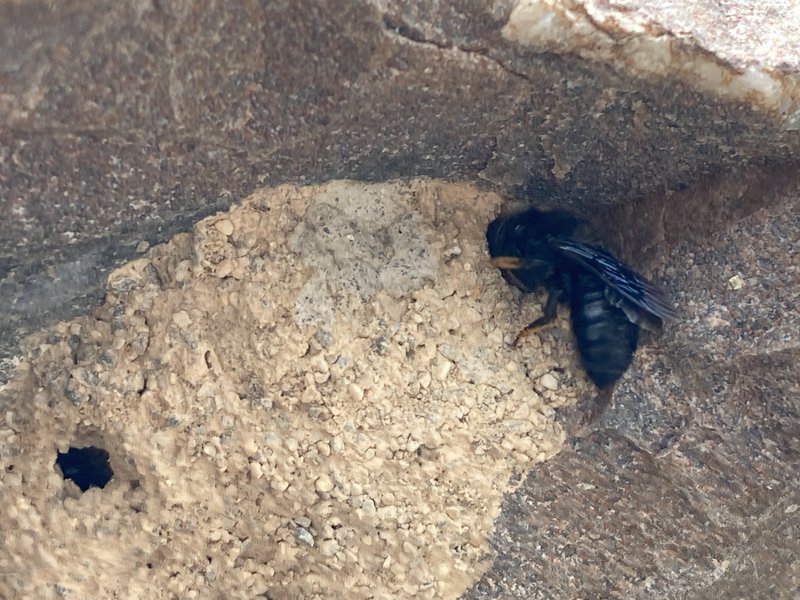
Rocks, Boulders
11 species nest in self-made open structures on rocks and boulders, 5 of these species can also nest on building facades.
Facilities/promotion: Preserve and keep open sunny rock formations and rock outcrops in sunny and dry locations. Preserve and promote sunny boulders. The surfaces of the rocks or boulders should have depressions; artificial nesting sites can be created by making a groove in the natural stones.
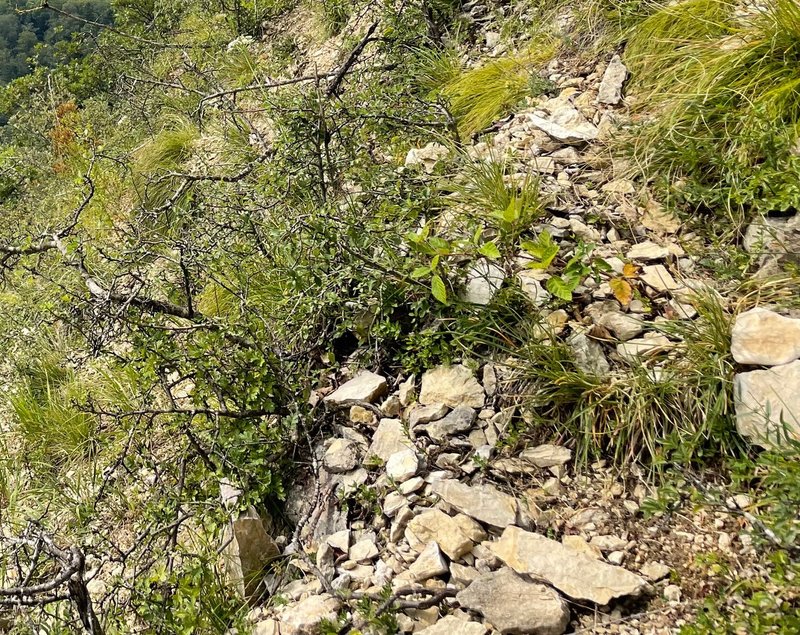
Stones lying on the Ground
Fourteen species nest under stones lying on the ground, four of which specialise in this nesting site. The remaining ten species also nest in rock crevices.
Facilities/promotion: Maintain flat stones lying on the ground in rough pastures, ruderal areas and scree slopes and keep them free of shading trees and shrubs.
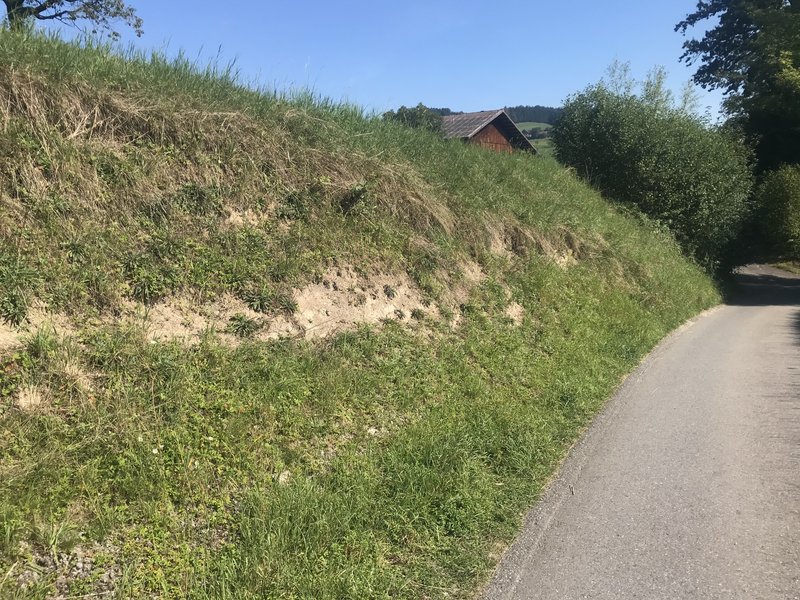
Sparse Vegetation
248 species nest in areas with sparse vegetation, 79 of which also require sandy, loamy or silty substrate.
Creation/promotion: Promote open areas with sparse vegetation in dry, sunny locations by frequent mowing and/or scraping of parts of the area.
Special Structures in Vegetation
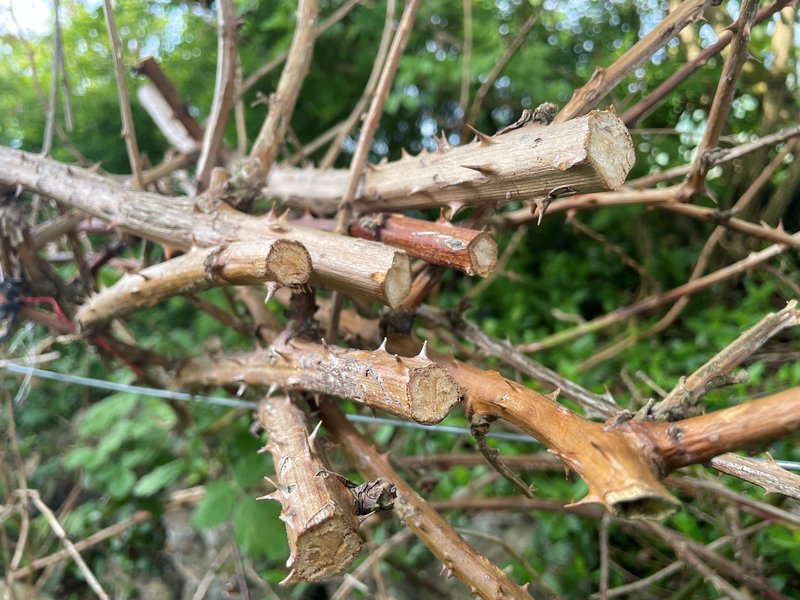
Pith
30 species nest in the pith, 10 of which specialise in this nesting site – of these, 2 species only nest in vertically aligned stems. The remaining species from this group also nest optionally in dead wood or plant stems.
Planting/promotion: Promotion of colourful fallow land, blackberry thickets and succession areas. Promotion of plants with pithy stems, such as blackberries, raspberries, mullein, snowball, elderberry or roses. Cut pithy stems from 1 cm thick and create piles of cuttings in sunny areas. Cut thick tendrils in sunny blackberry bushes so that the stems dry out.
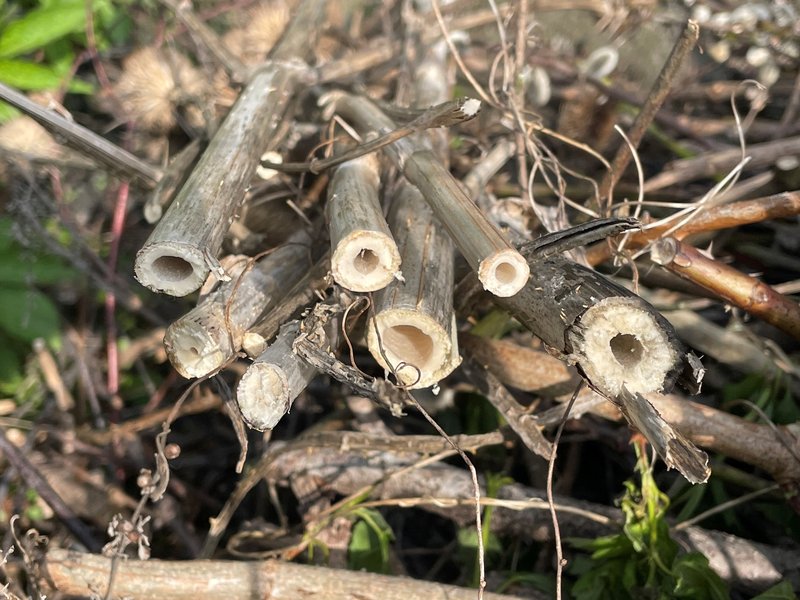
Hollow Plant Stems
62 species nest in (hollow) plant stems, 8 of which specialise in this nesting site. The remaining species also nest in dead wood, demolition edges or rock crevices.
Planting/promotion: Promotion of periodically cut back or coppiced hedges, promotion of colourful fallow land, blackberry thickets, succession areas and cuttings piles in sunny locations.
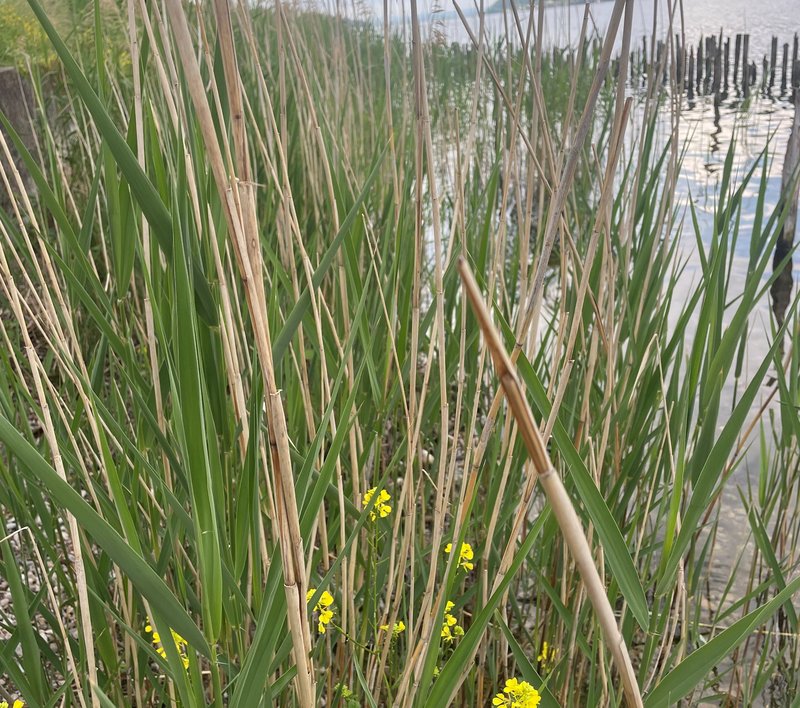
Reed Stalks
Four species nest in dry reed stalks, although all of them can also nest in reed galls (three species) or hollow plant stems (one species).
Facilities/promotion: Promotion of perennial fallow land in sunny reed beds. Regular maintenance of woody plants in moorland areas, thereby creating succession areas that remain undisturbed for several years.
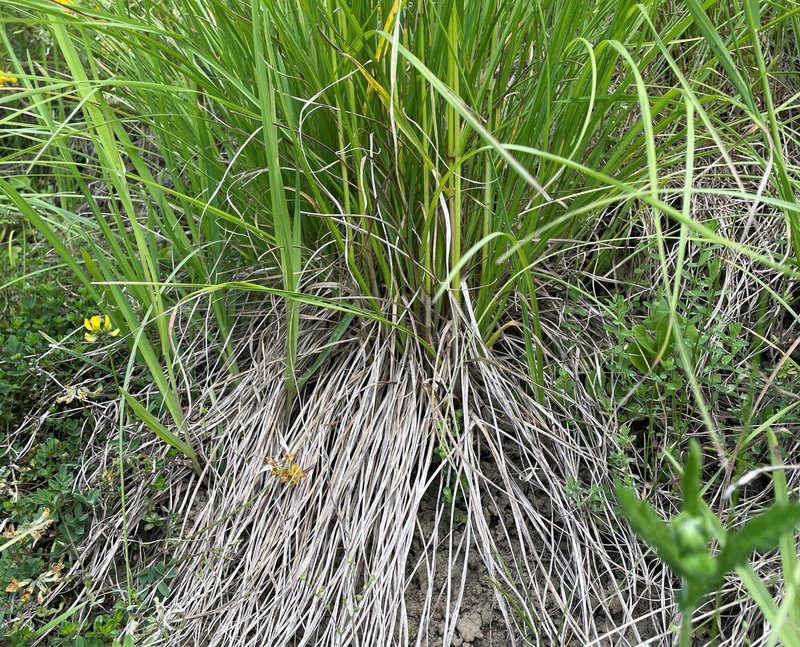
Grass Clumps, Moss
13 species – including 7 bumblebee species – nest in or under grass clumps or in the moss layer between them, 4 of which are specialised in this nesting site. The remaining species also nest optionally in abandoned small mammal nests, rock crevices or sparsely vegetated ground areas.
Planting/promotion: Promotion of alternating or late mown meadows, field margins and herbaceous vegetation. Promotion of individual bushes in maghera meadows, fens and ruderal areas.
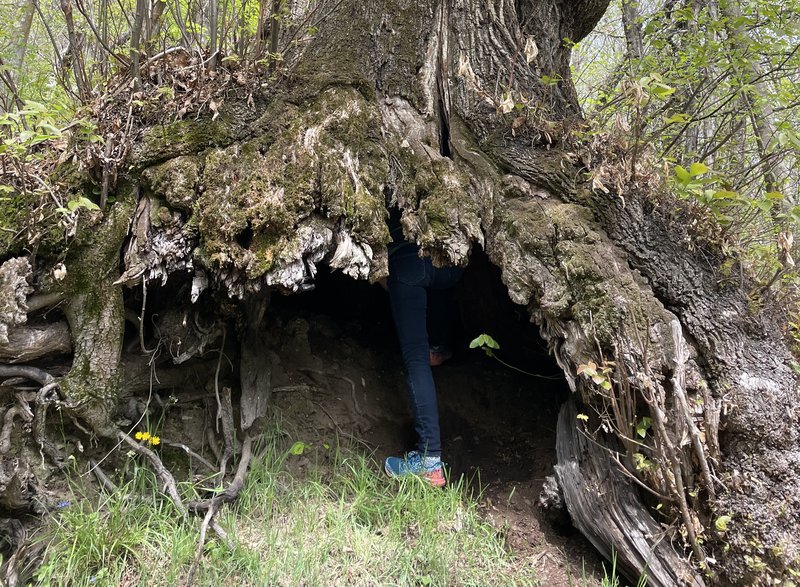
Tree Hollows, Tree Crevices
Seven species – exclusively bumblebees – nest in tree hollows and tree crevices, with two species specialising in this type of nesting site. The remaining five species also nest in rock crevices or small mammal nests.
Facilities/promotion: Preservation and promotion of old, damaged and dead trees in sunny locations – especially those with tree hollows or crevices (e.g. after lightning strikes).
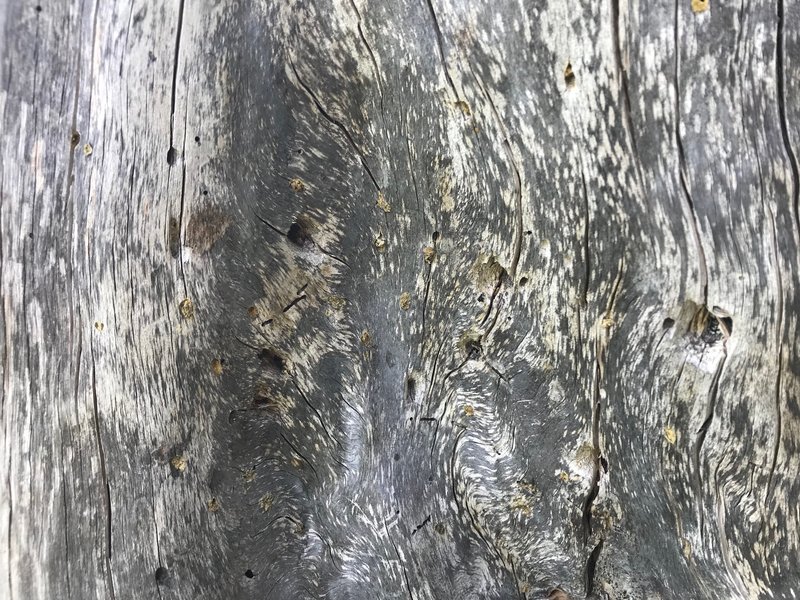
Beetle Tunnels in dead Wood
56 species nest in beetle tunnels in dead wood, with only 7 species specialising in this nesting site. Most species in this group also nest in plant stems, pith stems, rock crevices or break-off edges.
Planting/promotion: Preservation and promotion of dead wood (dead trees, dead wood piles, wood piles, rootstocks) in sunny locations.
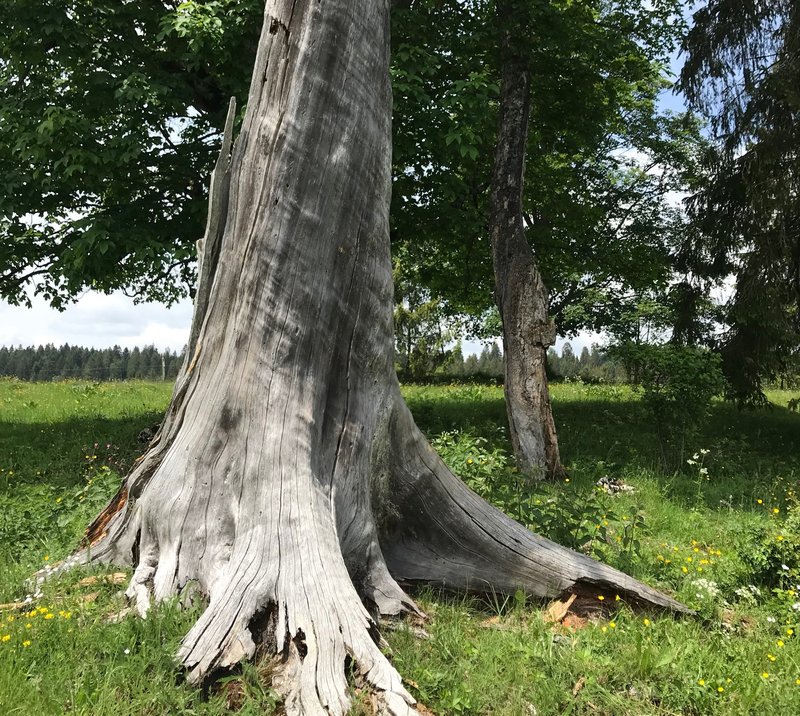
Rotten Deadwood
Ten species nest in rotten deadwood, seven of which specialise in this nesting site. The remaining species in this group also nest in plant stems or rock crevices.
Facilities/promotion: Preservation and promotion of deadwood (dead trees, deadwood piles, wood piles, rootstocks) in sunny locations.
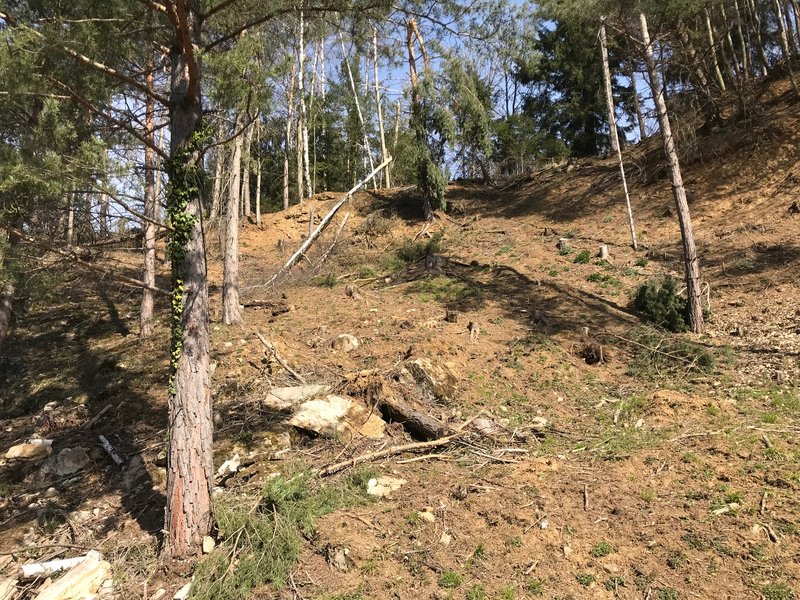
Bark Pieces
Two species, both from the genus Osmia, nest in or behind the flaking bark of dead trees. While one of the two species specialises in this nesting site (Osmia nigriventris), the other species (Osmia uncinata) also uses beetle tunnels in dead wood as nesting sites.
Planting/promotion: Preserve dead wood from pine and, in some cases, larch in sunny locations and continuously create new nesting sites by ringing.
Special Structures of other Animals
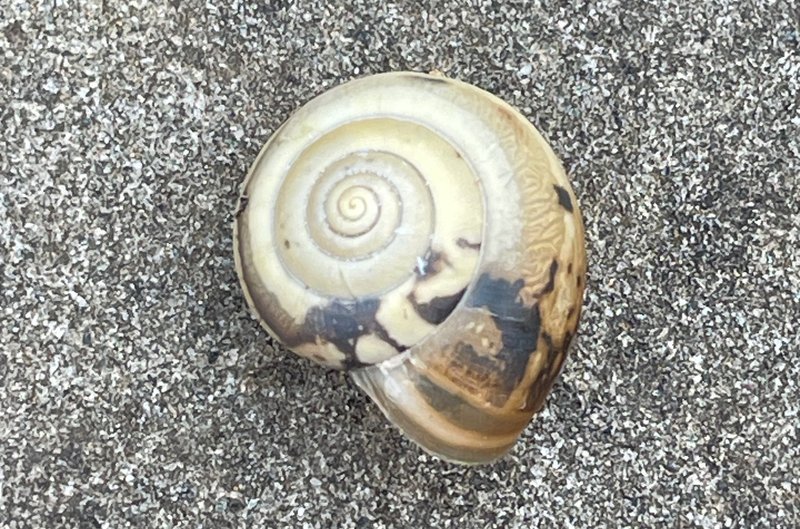
Snail Shells
Nine species nest in empty snail shells, eight of which specialise in this type of nesting site. One species also uses plant stems and clay walls as nesting sites. The snail species used can be divided into two groups: small to medium-sized species such as Cepaea, Helicells, Xerolenta and Zebrinea, and medium to large species such as Arianata, Cepaea and Helix.
Facilities/promotion: Promotion of open and low-traffic vegetation types such as forest edges, hedge margins and succession areas, e.g. on steep slopes.

Reed Gall
Seven species nest in abandoned reed galls, a type of reed gall fly, with only one species specialising in this nesting site: Hylaeus pectoralis. The other six species also nest in dry reed stalks or dead wood.
Planting/promotion: Promotion of perennial fallow land (no mowing for at least 3 years) in reed beds in raised bogs and fens. Regular woodland maintenance in moorland areas, thereby creating succession areas that remain undisturbed for several years.
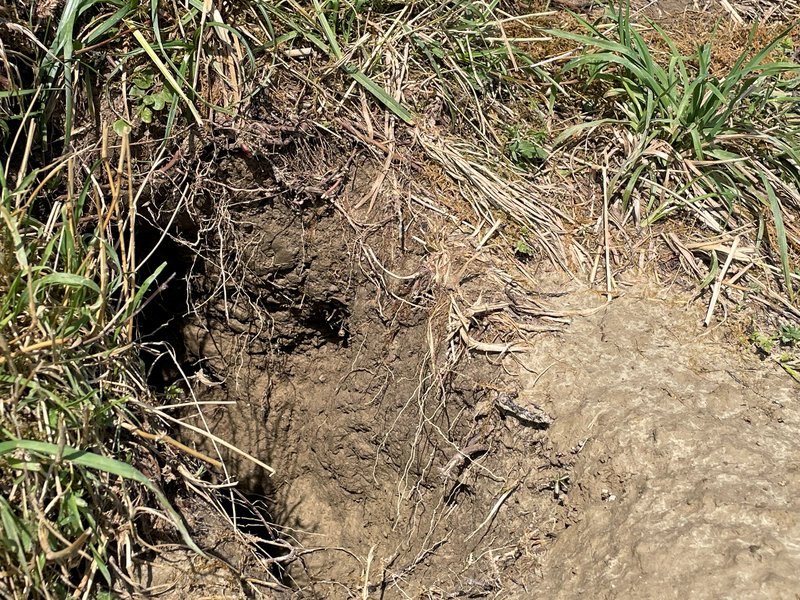
Small Mammal Nests, Burrows and Crevices
46 species – including 34 bumblebee species – nest in abandoned small mammal nests, burrows or crevices. Twelve of these species also nest in tree hollows, tree, wood or rock crevices, and under stones or shrubs.
Facilities/promotion: Preservation of burrows and crevices created by foxes, badgers or small mammals, for example.